Depend On Professional Workmanship for Tailored Legs For Kitchen Island Concepts
Necessary Aspects to Take Into Consideration When Choosing Legs For Cooking Area Island
Picking the appropriate legs for a kitchen area island includes a mindful assessment of several variables that can dramatically affect both capability and visual charm. As we check out these aspects, it ends up being clear that each decision can have far-ranging ramifications for the general kitchen experience.
Product Options
When picking legs for a kitchen island, understanding the numerous product options is crucial for attaining both visual appeal and structural integrity (Legs For Kitchen Island). The choice of material substantially influences not just the resilience of the island however additionally its overall style and performance
Wood is a popular selection, supplying warmth and versatility. Solid hardwoods, such as oak or maple, offer toughness and can be discolored or painted to match the cooking area decoration. Steel legs, commonly made from stainless steel or wrought iron, contribute a contemporary and commercial feel while making sure sturdiness and stability. These materials are resistant to use and can sustain substantial weight, making them excellent for larger islands.
One more alternative is crafted materials, like MDF or plywood, which can be much more cost-effective while still supplying a series of surfaces. Nevertheless, they may not give the same degree of security as strong wood or metal. Products such as acrylic or glass can develop a modern look, though they might need added assistance to ensure stability.
Eventually, the choice of material for kitchen area island legs ought to straighten with the preferred performance and the general theme of the cooking area.
Design And Style
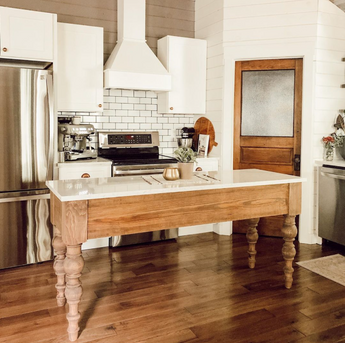
When considering style, the form and coating of the legs are critical. Tapered legs can give a sense of lightness and beauty, while thicker, more durable legs can share stamina and security. In addition, the surface-- be it repainted, discolored, or all-natural-- must match the cabinets and kitchen counter products to create a unified look.
Moreover, the layout of the legs can additionally show individual taste. Custom or ornamental legs, such as those featuring detailed carvings or one-of-a-kind geometric shapes, can function as centerpieces, adding personality and character to the kitchen area. Eventually, the ideal selection will not only improve performance however likewise raise the visual appeal, making the kitchen area island a standout function of the home.
Elevation Considerations
Picking the proper height for kitchen area island legs is essential, as it straight affects both functionality and convenience. The basic height for a kitchen island normally ranges from 36 to 42 inches, aligning with usual countertop elevations. A 36-inch height is ideal for cooking and food preparation, enabling comfy use of kitchen area home appliances and tools. On the other hand, a height of 42 inches is often liked for islands intended for bar seating, fitting taller feceses and using a casual eating experience.
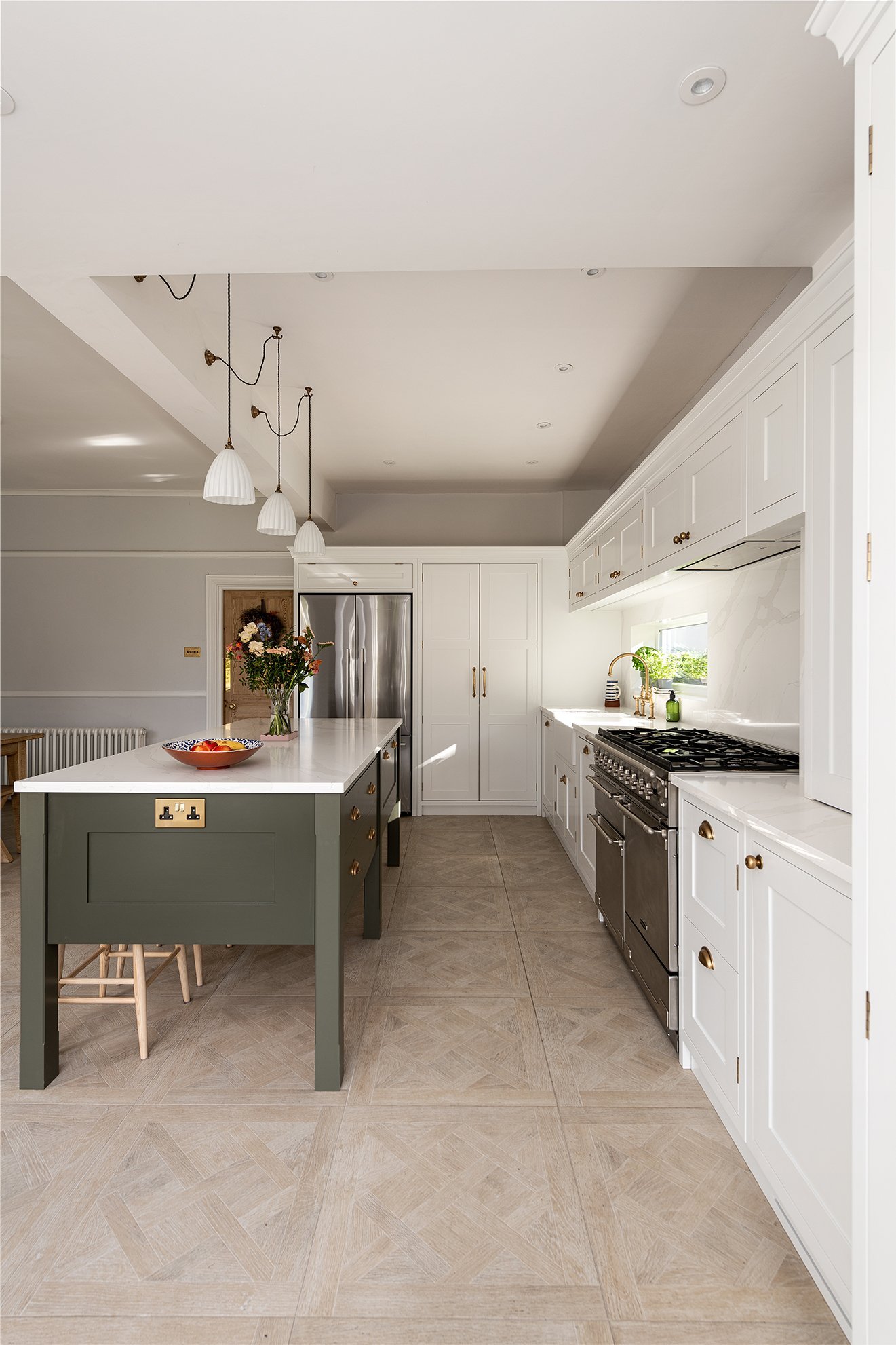
It is likewise essential to make up users' preferences and elevations. Tailoring the elevation can make sure a comfy experience for all relative, making the kitchen area island a much more satisfying and useful space.
Weight Assistance
Making sure sufficient weight support for cooking area island legs is crucial for both security and functionality. The kitchen island often offers several objectives, including cooking, eating, and extra storage, requiring a durable assistance framework. When selecting legs, it is vital to think about the general weight capability called for based upon the island's meant usage and the materials that will be put on it.
The option of product for the legs plays a substantial function in their weight-bearing abilities. Solid timber, metal, and durable compounds usually give superior stamina contrasted to lighter materials. Additionally, the style of the legs-- whether they are right, tapered, or have a pedestal type-- can influence their capability to distribute weight successfully throughout the framework.
In addition, the leg placement need to be purposefully intended to boost security. Legs placed at the corners or with a bigger base can much better support heavier tons. Constantly seek advice from the manufacturer's requirements concerning load limitations to ensure that the legs can sustain the desired weight without jeopardizing security. In recap, choosing kitchen area island legs with adequate weight support is essential for creating a safe and practical cooking room.
Installation and Upkeep
Appropriate installment and maintenance of cooking area island legs are important for making certain longevity and security. This often includes safeguarding the legs to the island base utilizing suitable fasteners, ensuring that the legs are level and straightened.
Once mounted, normal maintenance is essential to protect the integrity and look of the legs - Legs For Kitchen Island. For wood legs, periodic cleaning web with a damp towel and application of suitable timber gloss can prevent moisture damage and preserve their surface. Steel legs might call for a gentle cleansing option to eliminate grease and crud, complied with by a completely dry fabric to find out here stop corrosion development
In addition, evaluate the legs routinely for indications of wear or damages, such as fractures or loose joints. Tightening screws or screws as required can likewise prolong the lifespan of the legs. By sticking to these installment and maintenance methods, property owners can ensure that their kitchen island continues to be strong and aesthetically appealing for many years to find.
Final Thought
Aesthetic comprehensibility is extremely important in selecting the design and style of legs for a kitchen island, as these components greatly influence the general setting of the room. Tapered legs can provide a feeling of agility and sophistication, while thicker, much more robust legs can share stamina and security.Picking the suitable height for kitchen island legs is important, as it directly affects both performance and comfort. In summary, selecting cooking area island legs with appropriate weight support is necessary for producing a useful and safe culinary area.
In conclusion, selecting legs for a cooking area island requires careful consideration of different why not try this out aspects, including product options, style, elevation, weight support, and installation.